
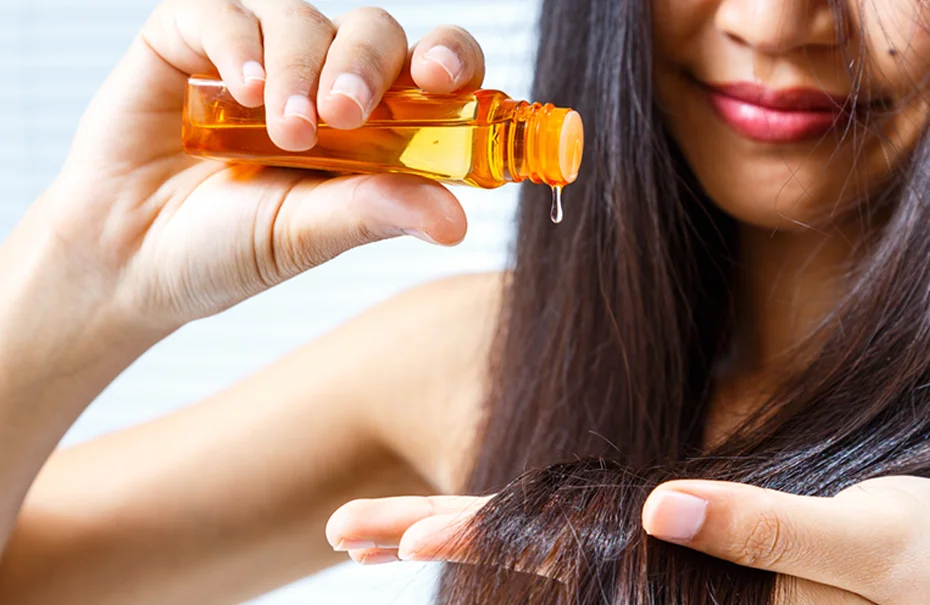
When I first started noticing my hair breaking more than usual, I chalked it up to stress or maybe just a bad hair day that wouldn’t end. But when the split ends kept multiplying and my ponytail felt thinner, I knew I had to dig deeper. That’s when I stumbled into the world of herbal oils—a game-changer for strengthening hair shafts and bringing back that healthy, vibrant shine. If you’re dealing with brittle, weak, or damaged hair, you’re not alone, and I’m here to share what I’ve learned through research, trial, and a bit of experimentation. Herbal oils aren’t just a trend; they’re rooted in centuries-old practices and backed by science for nourishing hair from the inside out. Let’s dive into how you can use them to strengthen your hair shafts, why they work, and some practical tips to get started.
Understanding the Hair Shaft and Why It Needs Strengthening
Before we get to the good stuff—herbal oils—it’s worth understanding what we’re working with. The hair shaft is the visible part of your hair, the strand that extends beyond your scalp. It’s made up of three layers: the medulla (the innermost core), the cortex (which gives hair its strength and elasticity), and the cuticle (the protective outer layer). When the cuticle gets damaged—think heat styling, chemical treatments, or environmental stress—it exposes the cortex, leading to weak, brittle hair that snaps or splits.
I’ve been there, brushing my hair and wincing at the sound of strands breaking. Weak hair shafts can result from a lot of culprits: overprocessing with dyes or perms, excessive heat from blow-dryers, harsh shampoos, or even just living in a dry climate. The goal is to reinforce the hair shaft, repair the cuticle, and nourish the cortex to make your hair more resilient. That’s where herbal oils come in. They penetrate the hair shaft, deliver nutrients, and create a protective barrier to prevent further damage.
Why Herbal Oils?
Herbal oils are derived from plants, often infused with herbs to amplify their benefits. Unlike synthetic products that might strip your hair or leave buildup, herbal oils work with your hair’s natural structure. They’re packed with vitamins, antioxidants, and fatty acids that nourish the hair shaft, improve elasticity, and reduce breakage. Plus, they’ve been used for centuries across cultures—think Ayurvedic practices in India or traditional remedies in the Mediterranean. My own experience with herbal oils started with a bottle of rosemary-infused oil, and I was amazed at how it transformed my dry ends after just a few weeks.
Science backs this up too. Studies have shown that certain plant-based oils, like coconut and argan, can penetrate the hair shaft to reduce protein loss, while herbs like rosemary and lavender stimulate scalp circulation, promoting stronger hair growth. The combination of oils and herbs is like a power duo for your hair, addressing both immediate damage and long-term health.
Top Herbal Oils for Strengthening Hair Shafts
Let’s talk about the best herbal oils for the job. I’ve tried a bunch, and these stand out for their ability to strengthen hair shafts based on their properties and my own results. I’ll also share how to use them for maximum impact.
1. Rosemary-Infused Coconut Oil
Coconut oil is a superstar because it’s one of the few oils that can penetrate the hair shaft, thanks to its low molecular weight and high lauric acid content. A 2003 study in the Journal of Cosmetic Science found that coconut oil reduces protein loss in hair, making it ideal for strengthening weak strands. Infusing it with rosemary takes it up a notch. Rosemary is known for improving scalp circulation, which supports stronger hair growth, and its antioxidants help protect hair from environmental damage.
How to Use It: Warm 2–3 tablespoons of rosemary-infused coconut oil (you can buy it pre-infused or make your own by steeping dried rosemary in coconut oil for a week). Massage it into your scalp and through your hair, focusing on the ends. Leave it on for at least 30 minutes—or overnight for a deep treatment—then shampoo out. I do this once a week, and my hair feels noticeably stronger and shinier.
2. Argan Oil with Lavender
Argan oil, often called “liquid gold,” is rich in vitamin E and fatty acids that repair the cuticle and improve hair elasticity. Adding lavender not only smells amazing but also soothes the scalp and reduces inflammation, which can contribute to hair breakage. I love this combo for my fine hair because it’s lightweight and doesn’t weigh my strands down.
How to Use It: Apply a few drops of lavender-infused argan oil to damp hair after washing, focusing on the mid-lengths and ends. You can also use it as a daily leave-in to tame frizz and protect against heat styling. I’ve found that a little goes a long way—too much can make your hair look greasy.
3. Jojoba Oil with Nettle
Jojoba oil is chemically similar to your scalp’s natural sebum, so it balances oil production while moisturizing the hair shaft. Nettle, a powerhouse herb, is packed with silica and sulfur, which strengthen hair and reduce breakage. I started using this combo when I noticed my hair thinning after a stressful period, and it helped restore some volume.
How to Use It: Mix 1 tablespoon of jojoba oil with a few drops of nettle extract or use a pre-infused blend. Massage it into your scalp and hair, then wrap your head in a warm towel for 20 minutes to help the oil penetrate. Rinse and shampoo as usual. I do this every other week, and my hair feels thicker and more resilient.
4. Castor Oil with Hibiscus
Castor oil is thick and rich in ricinoleic acid, which strengthens hair and promotes growth. Hibiscus, often used in Ayurvedic hair care, adds vitamins C and A, which nourish the hair shaft and improve elasticity. This is my go-to when my hair feels especially brittle, like after a summer of sun exposure.
How to Use It: Combine 1 tablespoon of castor oil with a teaspoon of hibiscus powder or oil. Apply to your scalp and hair, focusing on damaged areas. Leave it on for an hour before washing out. Because castor oil is heavy, I use a clarifying shampoo afterward to avoid buildup.
5. Olive Oil with Chamomile
Olive oil is a classic for hair health, packed with antioxidants and monounsaturated fats that smooth the cuticle and strengthen the hair shaft. Chamomile adds a soothing effect and can subtly lighten hair, making it great for blondes or those wanting a natural glow. I’ve used this during winter when my hair gets dry and staticky.
How to Use It: Warm 2 tablespoons of olive oil infused with chamomile (or add a few drops of chamomile essential oil). Apply to dry hair, wrap in a towel, and let it sit for 45 minutes. Shampoo thoroughly to remove the oil. I do this monthly for a hydration boost.
How to Make Your Own Herbal-Infused Oils
If you’re like me and love a DIY project, making your own herbal oils is easier than you think. Here’s a simple method I’ve used:
Choose Your Base Oil: Coconut, argan, jojoba, or olive oil are great choices. Pick one based on your hair type (e.g., coconut for thick hair, argan for fine hair).
Select Your Herb: Rosemary, lavender, nettle, hibiscus, or chamomile are excellent for hair strength. Use dried herbs to avoid mold.
Infuse the Oil: Place 1/4 cup of dried herbs in a clean glass jar and cover with 1 cup of your chosen oil. Seal the jar and let it sit in a warm, sunny spot for 1–2 weeks, shaking daily. Alternatively, gently heat the oil and herbs in a double boiler for 1–2 hours, then strain.
Strain and Store: Use a cheesecloth to strain the oil into a clean bottle. Store in a cool, dark place for up to 6 months.
I made my first batch of rosemary-coconut oil this way, and it felt so rewarding to use something I crafted myself. Plus, it’s budget-friendly compared to store-bought versions.
Tips for Using Herbal Oils Effectively
Using herbal oils isn’t just about slathering them on and hoping for the best. Here are some tips I’ve learned to get the most out of them:
Start with Clean Hair: Oils work best on clean, damp hair because the hair shaft is more receptive. I wash my hair with a gentle, sulfate-free shampoo first.
Don’t Overdo It: A little oil goes a long way. For shoulder-length hair, I use about 1–2 tablespoons for a full treatment or a few drops for daily use.
Use Heat Wisely: Warming the oil or wrapping your hair in a warm towel helps it penetrate the hair shaft. I pop my oil in the microwave for 10 seconds (make sure it’s not too hot!).
Rinse Thoroughly: Oils can leave residue, so use a clarifying shampoo if needed. I double-cleanse after heavy oils like castor to keep my scalp happy.
Be Consistent: Strengthening hair takes time. I saw noticeable results after 4–6 weeks of weekly treatments, so stick with it.
Patch Test First: Some herbs or oils can cause irritation, especially if you have a sensitive scalp. I always test a small amount on my wrist first.
Common Mistakes to Avoid
I’ve made my fair share of mistakes with herbal oils, so let me save you some trouble:
Using Too Much Oil: Early on, I drenched my hair in coconut oil and ended up with a greasy mess that took three washes to remove. Less is more!
Skipping the Scalp: The scalp is where hair growth starts, so don’t neglect it. Massaging oils into your scalp boosts circulation and strengthens hair at the root.
Not Protecting Your Hair: Oils can’t fix everything if you’re still using high heat or harsh chemicals. I cut back on my flat iron and started using a heat protectant spray, which made a big difference.
Expecting Overnight Results: Herbal oils aren’t magic. It took me a couple of months to see my hair go from brittle to bouncy, so be patient.
Complementary Practices for Stronger Hair
Herbal oils are amazing, but they work best as part of a holistic hair care routine. Here are some habits I’ve adopted to support my hair’s strength:
Eat for Your Hair: A diet rich in protein, omega-3s, and vitamins like biotin and zinc supports hair health. I’ve added more salmon, nuts, and leafy greens to my meals.
Stay Hydrated: Drinking water keeps your scalp and hair hydrated. I aim for 8 glasses a day, and it’s helped my hair feel less dry.
Gentle Styling: I switched to a wide-tooth comb and microfiber towel to reduce breakage. Silk pillowcases are also a game-changer for preventing friction.
Limit Heat and Chemicals: I try to air-dry my hair when possible and avoid bleaching or perms. If you must color, opt for ammonia-free dyes.
Regular Trims: Trimming split ends every 8–12 weeks prevents them from traveling up the hair shaft. I was hesitant at first, but it’s kept my hair healthier.
The Science Behind It
If you’re curious about why herbal oils work, it comes down to their chemical makeup. Oils like coconut and argan contain fatty acids that bind to the proteins in your hair, reducing damage and improving elasticity. Herbs like rosemary and nettle are rich in antioxidants, which combat free radicals that weaken hair. A 2015 study in BioMed Research International found that rosemary oil can be as effective as minoxidil (a common hair growth treatment) for promoting hair growth, which is why I’m such a fan.
The scalp benefits too. Massaging oils increases blood flow, delivering nutrients to hair follicles. This strengthens the hair shaft from the root, making it less likely to break as it grows. It’s not just folklore—there’s real science behind these remedies.
My Personal Journey and Results
When I started using herbal oils, my hair was a mess from years of heat styling and coloring. I began with weekly rosemary-coconut oil treatments and gradually added argan and nettle oils to my routine. After about six weeks, I noticed my hair felt softer and didn’t snap as easily when I brushed it. My split ends were less noticeable, and my hair had a natural shine I hadn’t seen in years. It’s not perfect—stress and weather still take a toll—but I feel like I’ve finally got a handle on keeping my hair strong.
What I love most is how empowering it feels to take control of my hair health with natural ingredients. There’s something satisfying about knowing exactly what’s going on my scalp, without the worry of harsh chemicals. Plus, the ritual of oiling my hair has become a relaxing self-care moment in my week.
Final Thoughts
Strengthening your hair shafts with herbal oils is a journey worth taking. Whether you’re dealing with breakage, dryness, or just want to give your hair some extra love, oils like rosemary-infused coconut, lavender-argan, or nettle-jojoba can make a real difference. Start with one oil, experiment with what works for your hair type, and build a routine that feels good for you. Pair it with gentle hair care habits and a little patience, and you’ll be amazed at how strong and healthy your hair can become.
If you’re new to herbal oils, don’t be intimidated. Start small, maybe with a bottle of coconut oil and some dried rosemary from your kitchen. Your hair will thank you, and you might just find yourself hooked on the process like I did. Here’s to stronger, happier hair!
Post a Comment