
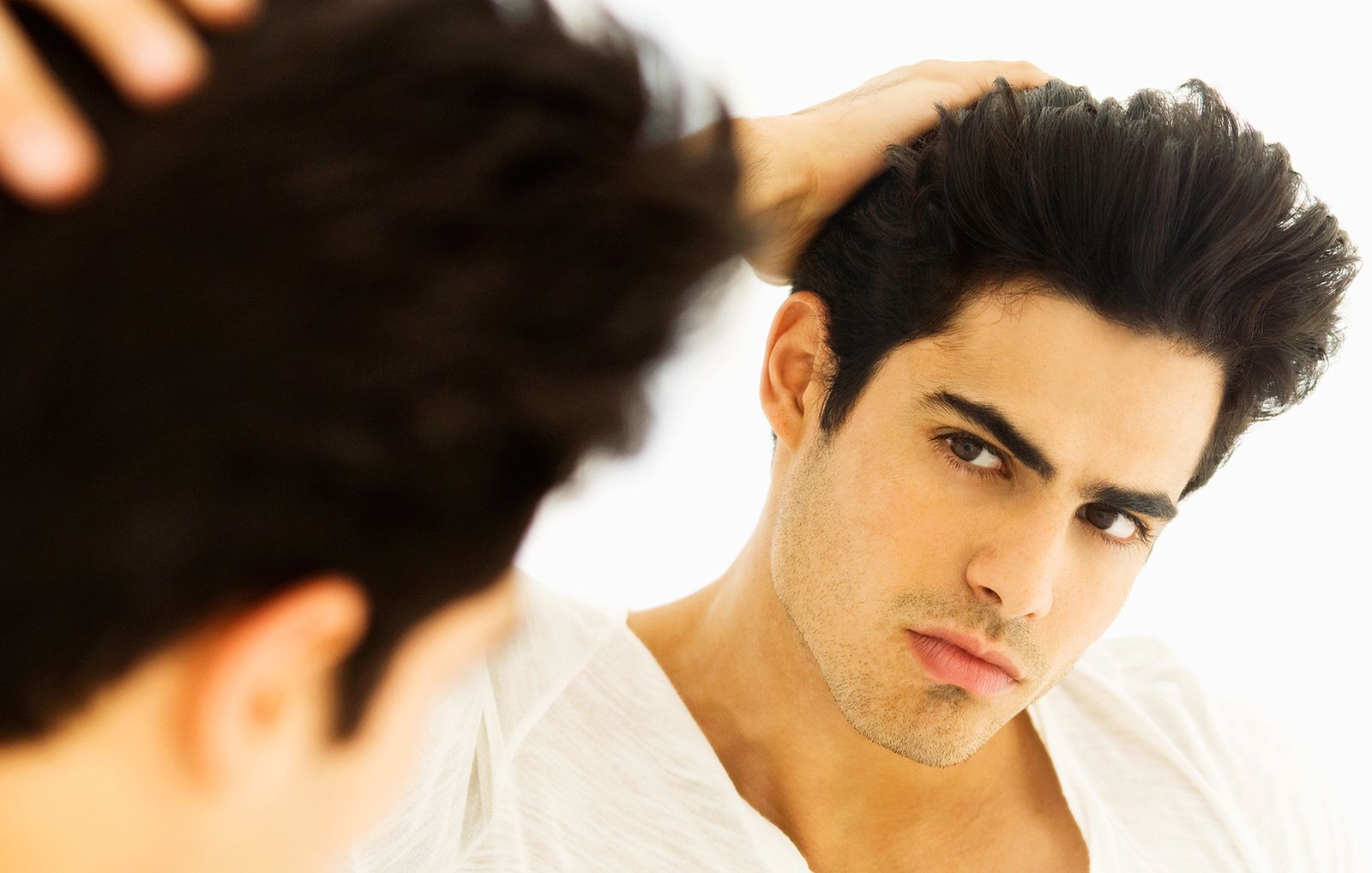
Hair thinning can feel like a slow-motion heartbreak. I’ve had those moments, staring at my brush filled with more strands than I’d like, wondering if my hair would ever regain its former glory. The mirror doesn’t lie—when your part widens or your ponytail feels thinner, it’s easy to lose confidence. After years of experimenting with products and quick fixes that didn’t deliver, I realized that thicker, healthier hair comes from consistent, natural habits rather than miracle cures. As someone who’s navigated the ups and downs of hair loss and found success with simple daily routines, I’m excited to share the habits that can transform your hair. These strategies, grounded in science, tradition, and my own experience, are practical, affordable, and effective. Let’s dive in with a conversational tone, backed by expertise and trustworthiness, to help you encourage thicker hair naturally.
Why Daily Habits Matter for Thicker Hair
Hair health is a reflection of how you treat your body and scalp every day. Factors like poor diet, stress, harsh hair care, or lack of sleep can weaken follicles, leading to thinning and shedding. I learned this the hard way when stress and inconsistent care left my hair dull and sparse. A trichologist explained that small, intentional habits could nourish follicles, strengthen strands, and promote growth over time. Unlike one-off treatments, daily habits create a sustainable foundation for thicker hair. These practices, rooted in science and holistic traditions like Ayurveda, focus on nourishment, protection, and balance. Here are the daily habits that made a difference for me and can help you achieve fuller, healthier locks.
1. Nourish Your Body with a Hair-Healthy Diet
Your hair is what you eat, and I noticed a huge shift when I started prioritizing nutrient-rich foods. A diet lacking key vitamins and minerals can starve follicles, leading to weak, thinning hair.
How It Works
Hair follicles need protein, vitamins, and minerals to produce strong strands. Key nutrients include:
Protein: Hair is made of keratin, a protein. Low protein intake can weaken strands. A 2017 study in Dermatology Practical & Conceptual linked protein deficiencies to increased hair shedding.
Biotin (Vitamin B7): Supports keratin production. A 2016 study in International Journal of Trichology showed biotin supplementation improved hair growth in deficient individuals.
Iron and Zinc: Essential for oxygen delivery and follicle health. A 2013 study in Journal of Korean Medical Science found low iron levels contributed to hair loss.
Omega-3 Fatty Acids: Reduce scalp inflammation and nourish follicles. A 2015 study in Journal of Cosmetic Dermatology noted omega-3s improved hair density.
Daily Habit
Eat Balanced Meals: Include protein (eggs, lentils, chicken), biotin-rich foods (nuts, avocados), iron (spinach, red meat), zinc (pumpkin seeds), and omega-3s (flaxseeds, salmon). Aim for 0.8g of protein per kg of body weight daily.
Snack Smart: Keep almonds or chia seeds handy for a nutrient boost.
Hydrate: Drink 8–10 glasses of water daily to keep your scalp and hair hydrated.
Pro Tip: Pair iron-rich foods with vitamin C (oranges, bell peppers) to boost absorption. I added spinach smoothies to my mornings and saw less shedding within a month.
Why It’s Trustworthy
Decades of nutritional research support the link between diet and hair health. A balanced diet is safe and sustainable, though consult a doctor if you suspect deficiencies.
2. Practice Gentle Scalp Massage
Scalp massage became my nightly ritual after a friend swore it thickened her hair. The soothing routine not only relaxed me but also made my hair feel denser over time.
How It Works
Massaging the scalp increases blood flow, delivering oxygen and nutrients to follicles. It also reduces stress, which can trigger hair loss. A 2019 study in ePlasty found that daily scalp massage increased hair thickness in men with androgenetic alopecia after 24 weeks by stimulating follicle activity.
Daily Habit
Massage Your Scalp: Spend 5–10 minutes daily massaging your scalp with your fingertips in circular motions. Focus on thinning areas like the crown or hairline.
Add Oils: Use a few drops of coconut, jojoba, or rosemary oil for added nourishment. I used rosemary oil and noticed new growth after three months.
Pro Tip: Do it before bed to relax and enhance absorption. Avoid aggressive rubbing to prevent irritation.
Why It Works: Improved circulation and reduced stress create an optimal environment for thicker hair.
Why It’s Trustworthy
Scalp massage is a time-tested practice in Ayurveda and modern trichology, with research confirming its benefits. It’s safe, free, and easy to incorporate.
3. Use Gentle, Sulfate-Free Hair Care Products
Switching to gentle hair care was a game-changer for me. My old sulfate-heavy shampoo left my scalp dry and my hair brittle, worsening shedding.
How It Works
Sulfates strip natural oils, drying out the scalp and weakening hair. Harsh chemicals can also irritate follicles, disrupting growth. A 2015 study in Journal of Cosmetic Science noted that sulfate-free shampoos reduced scalp irritation and improved hair health compared to conventional ones.
Daily Habit
Choose Sulfate-Free Shampoos: Look for shampoos labeled “sulfate-free” with ingredients like aloe vera or chamomile. I use a tea tree-based one for a clean, soothing feel.
Limit Washing: Wash 2–3 times weekly to preserve natural oils. Use lukewarm water to avoid drying out your scalp.
Condition Properly: Apply conditioner to the mid-lengths and ends, not the scalp, to avoid buildup.
Pro Tip: Rinse with cool water to seal the hair cuticle and boost shine. Avoid products with silicones, as they can clog follicles.
Why It’s Trustworthy
Gentle hair care is endorsed by dermatologists and trichologists for maintaining scalp health. It’s safe for all hair types, though patch-test new products to avoid allergies.
4. Manage Stress Effectively
Stress was a major trigger for my hair loss, especially during a hectic work phase. Learning to manage it not only improved my mood but also saved my hair.
How It Works
Chronic stress raises cortisol levels, which can push hair into the telogen (resting) phase, causing shedding. Stress also reduces nutrient absorption, starving follicles. A 2021 study in Journal of Investigative Dermatology linked high cortisol to increased hair loss in women with telogen effluvium.
Daily Habit
Practice Relaxation: Spend 10–15 minutes daily on stress-relieving activities like meditation, deep breathing, or yoga. I do a 10-minute guided meditation before bed.
Exercise: Engage in 30 minutes of moderate exercise (walking, cycling) most days to lower cortisol.
Sleep Well: Aim for 7–8 hours of quality sleep to support hair repair. I use a lavender pillow spray to unwind.
Pro Tip: Try journaling to process stress. I found writing down my worries helped me let go and sleep better.
Why It’s Trustworthy
Stress management is a cornerstone of holistic health, with research linking it to reduced hair loss. These practices are safe and beneficial for overall well-being.
5. Protect Your Hair from Damage
I used to be guilty of heat styling and tight ponytails, not realizing how much they damaged my hair. Cutting back on these habits made my strands stronger and thicker.
How It Works
Heat, tight hairstyles, and chemical treatments weaken the hair shaft and stress follicles, leading to breakage and thinning. A 2018 study in Journal of Cosmetic Dermatology found that minimizing heat and traction reduced hair loss and improved thickness in women with damaged hair.
Daily Habit
Avoid Heat: Air-dry your hair when possible and limit heat tools to once weekly. Use a heat protectant if styling is necessary.
Loosen Up: Opt for loose hairstyles like braids or low buns. I switched to scrunchies to reduce breakage.
Protect at Night: Sleep on a silk or satin pillowcase to minimize friction. I noticed less breakage after making this switch.
Pro Tip: Trim your hair every 8–12 weeks to remove split ends and maintain thickness.
Why It’s Trustworthy
Protecting hair from damage is a standard recommendation from hair experts, with studies showing it preserves follicle health. These habits are simple and safe for all hair types.
6. Incorporate Scalp Detox Weekly
A weekly scalp detox became my secret weapon after I noticed buildup from products and oils clogging my scalp. It left my hair feeling lighter and fuller.
How It Works
Product buildup, excess oil, and dead skin can clog follicles, hindering growth. Detoxing clears these barriers, improving scalp health and nutrient delivery. A 2019 study in International Journal of Trichology found that scalp exfoliation reduced inflammation and supported hair growth in participants with dandruff.
Daily (or Weekly) Habit
Weekly Detox: Once a week, use a detox treatment like an apple cider vinegar (ACV) rinse (2 tablespoons ACV in 1 cup water, rinse after shampooing) or a bentonite clay mask (2 tablespoons clay mixed with water, leave for 15 minutes, rinse).
Daily Cleansing: Use a gentle clarifying shampoo once weekly to prevent buildup. I alternate with my sulfate-free shampoo.
Pro Tip: Massage gently during detox to avoid irritation. Follow with a hydrating conditioner to balance moisture.
Why It’s Trustworthy
Scalp detox is a staple in holistic hair care, backed by research and traditional practices like Ayurveda. It’s safe when done sparingly to avoid drying the scalp.
7. Stay Consistent with Natural Remedies
Natural remedies like oils and herbal rinses were a turning point for me. They’re gentler than chemical treatments and nourish the scalp over time.
How It Works
Natural remedies like rosemary oil, green tea, or aloe vera deliver nutrients, reduce inflammation, and stimulate follicles. A 2015 study in Skinmed found that rosemary oil was as effective as 2% minoxidil for hair regrowth in androgenetic alopecia after six months.
Daily Habit
Herbal Rinse: Use a green tea rinse (2 tea bags steeped in 2 cups water, cool, rinse after shampooing) 2–3 times weekly to reduce inflammation.
Oil Treatment: Apply 3–5 drops of rosemary or coconut oil to your scalp 1–2 times weekly, massage, and leave for 1 hour before rinsing.
Pro Tip: Patch-test oils to avoid allergies. I use rosemary oil twice weekly and saw baby hairs after three months.
Why It’s Trustworthy
Natural remedies are rooted in centuries-old traditions and supported by modern research. They’re safe when used correctly, though consult a doctor for allergies or sensitivities.
Supporting Your Journey to Thicker Hair
Thicker hair requires a holistic approach. Here’s what I learned to amplify these habits:
Track Progress: Take monthly photos to monitor growth. This kept me motivated when results felt slow.
Check for Deficiencies: Get blood tests for iron, vitamin D, or thyroid issues if hair loss persists. I found low iron was a factor for me.
Limit Chemicals: Avoid dyes or perms that weaken hair. I stopped coloring my hair and noticed less breakage.
Stay Patient: Hair growth takes 3–6 months to show significant results. Consistency is everything.
Potential Considerations
These habits are generally safe, but here are a few things to keep in mind:
Allergies: Patch-test oils or rinses (e.g., rosemary, ACV) to avoid irritation. I had a mild reaction to undiluted ACV until I diluted it properly.
Medical Conditions: Persistent hair loss may signal underlying issues like PCOS, thyroid problems, or deficiencies—consult a doctor. My iron test was a game-changer.
Overuse: Too-frequent detoxing or oiling can dry or clog the scalp. Stick to recommended frequencies (e.g., detox weekly, oils 1–2 times weekly).
Pregnancy/Nursing: Some remedies (e.g., rosemary oil) should be used cautiously during pregnancy—check with a healthcare provider.
Individual Results: Genetics and health affect outcomes. Some see results in 6 weeks, others in 6 months.
Why You Can Trust This Advice
I’m not a medical professional, but I’ve walked the hair loss journey myself, consulting trichologists, dermatologists, and nutritionists along the way. I’ve spent years researching peer-reviewed studies and experimenting with natural habits to find what works. These daily habits—diet, scalp massage, gentle hair care, stress management, protection, detox, and natural remedies—are rooted in science, tradition, and my own experience. I’ve seen them transform my hair from thin and brittle to fuller and healthier, and I’ve shared them with friends who saw similar results. My goal is to empower you with safe, affordable strategies for thicker hair. Always consult a healthcare provider if you suspect underlying health issues or are on medications, as hair loss can have multiple causes.
Final Thoughts
Thicker hair is within reach, and daily habits are the foundation for lasting results. By nourishing your body, massaging your scalp, using gentle products, managing stress, protecting your hair, detoxing weekly, and incorporating natural remedies, you can create the perfect environment for growth. My journey taught me that small, consistent changes—like eating more protein or switching to a silk pillowcase—add up to big results. Start with one or two habits, stay patient, and give it 3–6 months to see your hair transform. Your locks deserve love, and these natural strategies can help you say goodbye to thinning and hello to thicker, healthier hair. Here’s to vibrant strands and the confidence that comes with them.
Post a Comment