
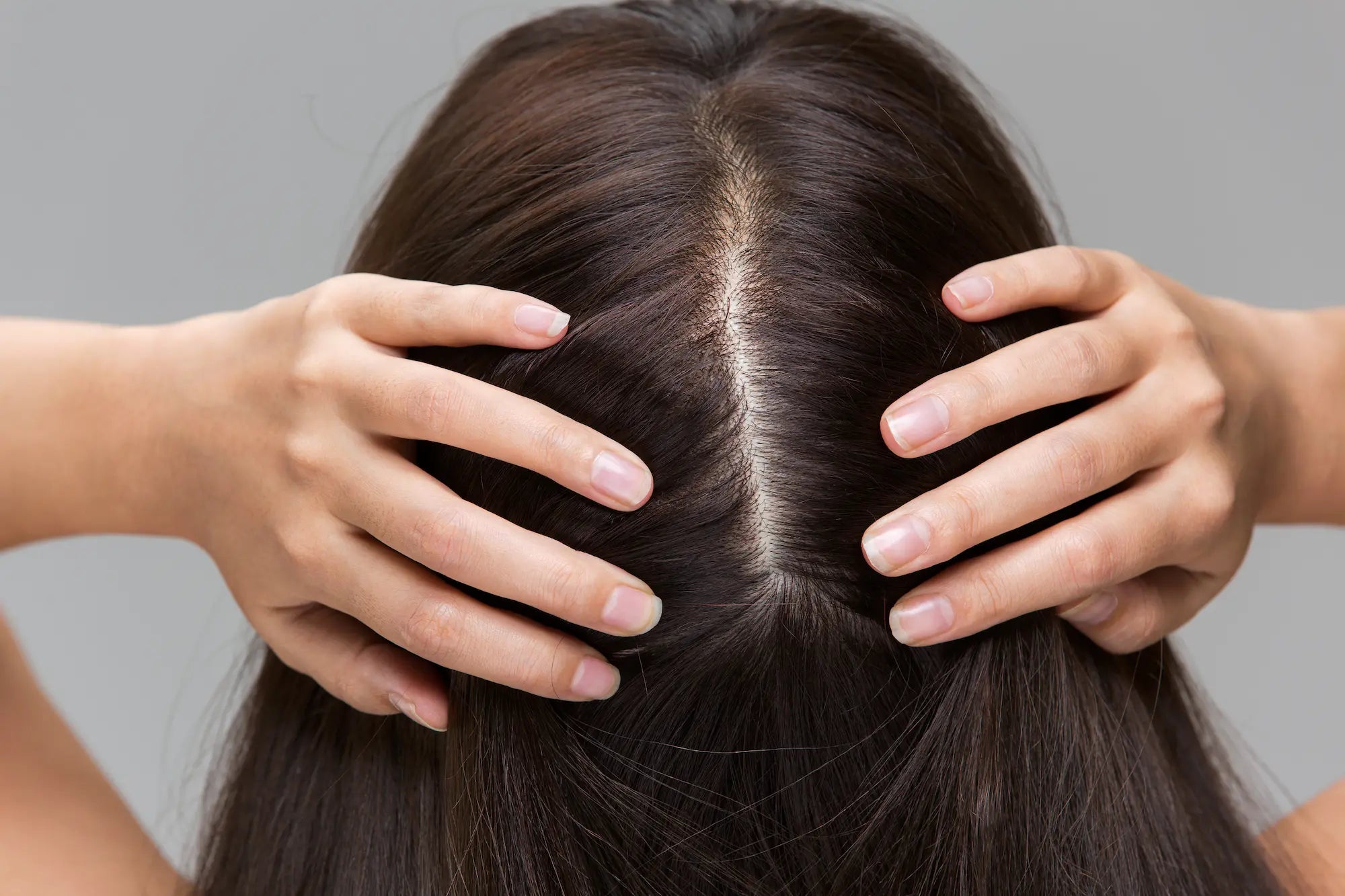
A few years ago, I started noticing more hair in my brush than usual. At first, I blamed it on stress or maybe just a phase, but when my part line started looking wider, I knew something was up. That’s when I learned that scalp health is the unsung hero of strong, lasting hair. A healthy scalp isn’t just about avoiding dandruff—it’s the foundation for preventing hair loss and keeping your hair thriving. If you’re worried about thinning hair or just want to keep your locks strong, understanding the role of scalp health is a game-changer. Through my own journey, research, and a bit of trial and error, I’ve discovered how nurturing your scalp can make all the difference. Let’s dive into why scalp health matters, how it impacts hair loss, and practical ways to keep your scalp in top shape.
Why Scalp Health Matters for Hair
Your scalp is like the soil for your hair—it’s where everything starts. Hair follicles, those tiny structures beneath the skin, are responsible for producing hair, and they need a healthy environment to do their job. If your scalp is inflamed, clogged, or lacking nutrients, your follicles can’t function properly, leading to weaker hair or even hair loss. I used to think hair loss was just about genetics or hormones, but I’ve learned that scalp health plays a massive role in whether your hair stays put or starts shedding.
A healthy scalp provides the right conditions for hair growth: good blood flow to deliver nutrients, balanced oil production to keep follicles hydrated, and a clean environment free of buildup or irritation. When things go wrong—like dandruff, excess oil, or inflammation—it can disrupt the hair growth cycle, pushing follicles into a resting phase or causing hair to fall out prematurely. Studies, like one from the Journal of Investigative Dermatology (2014), show that scalp inflammation can contribute to conditions like androgenetic alopecia (pattern hair loss), making scalp care a critical piece of the puzzle.
Common Scalp Issues That Contribute to Hair Loss
When I started digging into my own hair loss, I realized my scalp wasn’t as healthy as I thought. Here are some common scalp problems that can lead to hair loss, based on what I’ve learned and experienced:
1. Dandruff and Seborrheic Dermatitis
Dandruff isn’t just annoying—it can signal an unhealthy scalp. It’s often caused by an overgrowth of a yeast-like fungus called Malassezia, which irritates the scalp and triggers flaking. Seborrheic dermatitis, a more severe version, causes redness, itching, and greasy scales. Both can inflame the scalp, weakening hair follicles over time. I had mild dandruff for years and didn’t think much of it until I noticed my hair thinning in those areas.
2. Excess Oil and Clogged Follicles
Your scalp produces sebum, a natural oil that keeps hair hydrated. But too much sebum, often from overactive oil glands or infrequent washing, can clog follicles and stunt hair growth. I used to skip washes thinking it would keep my hair from drying out, but it just led to buildup that made my scalp feel heavy and my hair look limp.
3. Scalp Inflammation
Inflammation from conditions like psoriasis, eczema, or even harsh hair products can damage follicles. Chronic inflammation can push hair into the telogen (resting) phase, leading to shedding. I once used a sulfate-heavy shampoo that left my scalp red and itchy, and I noticed more hair fall until I switched to a gentler option.
4. Poor Circulation
Healthy blood flow delivers oxygen and nutrients to hair follicles. Stress, a sedentary lifestyle, or tight hairstyles can reduce scalp circulation, starving follicles. I started massaging my scalp daily after learning this, and it’s become a relaxing ritual that’s helped my hair feel stronger.
5. Bacterial or Fungal Infections
Infections like folliculitis (inflamed hair follicles) can weaken hair roots and cause permanent damage if untreated. I had a friend deal with this after using unwashed hair tools, and it was a wake-up call to keep my brushes clean.
How a Healthy Scalp Prevents Hair Loss
A healthy scalp creates the ideal environment for the hair growth cycle, which has three phases: anagen (growth), catagen (transition), and telogen (resting). A happy scalp keeps more follicles in the anagen phase longer, producing strong, thick hair. It also minimizes shedding by reducing inflammation and ensuring follicles aren’t clogged or starved of nutrients. Research from the International Journal of Trichology (2018) highlights that a balanced scalp microbiome—the community of microbes living on your scalp—plays a role in preventing hair loss by maintaining a healthy environment.
I’ve seen this firsthand. When I started focusing on my scalp—using gentle products, massaging regularly, and addressing dryness—my hair shedding slowed, and new growth started peeking through. It wasn’t overnight, but after a few months, my hair felt fuller and healthier.
Practical Steps to Improve Scalp Health
Here’s how you can nurture your scalp to prevent hair loss, based on what’s worked for me and backed by science. These steps are simple but effective when done consistently.
1. Cleanse Gently but Effectively
Keeping your scalp clean is crucial, but harsh shampoos can strip natural oils and cause irritation. I switched to a sulfate-free shampoo with ingredients like tea tree oil or aloe vera, which cleanse without drying. Wash 2–3 times a week, depending on your hair type, to remove dirt, oil, and product buildup. For dandruff, I use a shampoo with zinc pyrithione or ketoconazole once a week—it’s been a lifesaver for keeping flakes at bay.
Pro Tip: Massage your shampoo into your scalp for 1–2 minutes to boost circulation and ensure a thorough cleanse. I used to rush this step, but taking my time has made a difference.
2. Exfoliate Your Scalp
Just like your skin, your scalp can accumulate dead cells and buildup. I started using a scalp scrub with natural exfoliants like sugar or finely ground oatmeal once a month. It unclogs follicles and leaves my scalp feeling fresh. You can also try a DIY scrub with brown sugar and coconut oil—just be gentle to avoid irritation.
3. Moisturize and Nourish with Oils
Herbal oils are my go-to for scalp health. Oils like rosemary, tea tree, or peppermint not only moisturize but also have anti-inflammatory and antimicrobial properties. A 2015 study in BioMed Research International found that rosemary oil can promote hair growth as effectively as minoxidil. I massage a few drops of rosemary-infused coconut oil into my scalp weekly, leaving it on for an hour before washing. It’s soothing and has helped reduce my hair fall.
How to Apply: Warm 1–2 tablespoons of oil, massage into your scalp, and work through your hair. Wrap in a warm towel for 20–30 minutes, then shampoo out. Don’t overdo it—too much oil can clog pores.
4. Stimulate Circulation with Massage
Scalp massages are a simple way to boost blood flow and reduce stress, which can contribute to hair loss. I spend 5 minutes every evening massaging my scalp with my fingertips in circular motions. You can use a scalp massager tool for extra ease. A 2016 study in Eplasty showed that daily scalp massages increased hair thickness over time, so it’s worth making it a habit.
5. Balance Your Scalp’s Microbiome
Your scalp has a natural microbiome, and disrupting it with harsh products or overwashing can lead to issues like dryness or excess oil. I’ve started using a scalp tonic with probiotics (like those with lactobacillus) to support a healthy microbiome. You can also try apple cider vinegar rinses (diluted 1:4 with water) to balance pH and remove buildup. I do this biweekly, and my scalp feels less itchy.
6. Protect Your Scalp from Damage
Environmental factors like UV rays, pollution, or harsh weather can stress your scalp. I wear a loose hat when I’m out in the sun for long periods and avoid tight hairstyles like high ponytails that pull on my scalp. Also, steer clear of products with alcohol or synthetic fragrances—they can dry out your scalp and weaken follicles.
7. Feed Your Scalp from Within
What you eat affects your scalp and hair. I’ve upped my intake of foods rich in biotin (eggs, nuts), omega-3s (salmon, chia seeds), and zinc (pumpkin seeds, lentils) to support follicle health. Staying hydrated is key too—I aim for 8–10 glasses of water daily. A 2017 study in Skin Appendage Disorders linked nutrient deficiencies to hair loss, so a balanced diet is non-negotiable.
DIY Scalp Treatments to Try
I love experimenting with natural scalp treatments—here are two that have worked wonders for me:
Rosemary and Tea Tree Scalp Tonic
Ingredients:
2 tbsp rosemary-infused coconut oil
5 drops tea tree essential oil
1/4 cup aloe vera gel
Instructions: Mix ingredients in a small bottle. Apply to your scalp, massage for 5 minutes, and leave on for 30 minutes before rinsing. Use weekly to reduce inflammation and strengthen follicles. I noticed less shedding after a month of this.
Apple Cider Vinegar Rinse
Ingredients:
1 tbsp apple cider vinegar
4 tbsp water
Instructions: Mix and pour over your scalp after shampooing. Massage gently, let sit for 2 minutes, then rinse. This balances scalp pH and removes buildup. I use it every other week for a clean, refreshed scalp.
Common Mistakes to Avoid
I’ve made plenty of scalp care mistakes, so here’s what to watch out for:
Overwashing: Washing daily with harsh shampoos stripped my scalp’s natural oils, making it dry and flaky. Stick to 2–3 washes a week with a gentle cleanser.
Ignoring Itching or Redness: I once ignored an itchy scalp, thinking it was normal, and it led to more hair fall. Address irritation early—see a dermatologist if it persists.
Using Too Much Product: Piling on gels or sprays can clog follicles. I now use minimal styling products and rinse thoroughly.
Skipping Protection: I used to blow-dry on high heat daily, which dried out my scalp. Now I air-dry when possible and use a heat protectant.
When to See a Professional
While scalp care can prevent and reduce hair loss, some cases need expert help. If you notice sudden, excessive shedding, bald patches, or persistent scalp issues (like sores or severe itching), consult a dermatologist or trichologist. Conditions like alopecia areata or hormonal imbalances might require medical treatment. I saw a dermatologist when my hair loss didn’t improve after a few months, and they helped me rule out underlying issues like thyroid problems.
My Journey to a Healthier Scalp
When I first tackled my hair loss, my scalp was dry, slightly flaky, and prone to irritation. I started with simple changes: switching to a sulfate-free shampoo, massaging with rosemary oil, and eating more nutrient-rich foods. After about two months, I noticed less hair in my brush and new baby hairs along my hairline. My scalp felt calmer, and my hair looked shinier. It’s not perfect—stress still triggers some shedding—but focusing on my scalp has given me thicker, stronger hair and a lot more confidence.
The process taught me that scalp health isn’t just about quick fixes; it’s about consistent care and listening to what your body needs. I’ve also learned to enjoy the ritual of scalp massages and DIY treatments—it’s become my weekly self-care moment.
Final Thoughts
Your scalp is the root of healthy hair, and taking care of it can make a huge difference in preventing hair loss. From gentle cleansing to nourishing oils and a nutrient-rich diet, small changes add up to stronger follicles and less shedding. Start with one or two practices, like a weekly scalp massage or a DIY rinse, and build from there. Be patient—results take time, but they’re worth it.
For me, focusing on scalp health has been a game-changer, turning my thinning hair into something I’m proud of again. Whether you’re dealing with hair loss or just want to keep your hair strong, a healthy scalp is your best ally. So grab some rosemary oil, give your scalp some love, and watch your hair thrive.
Post a Comment