
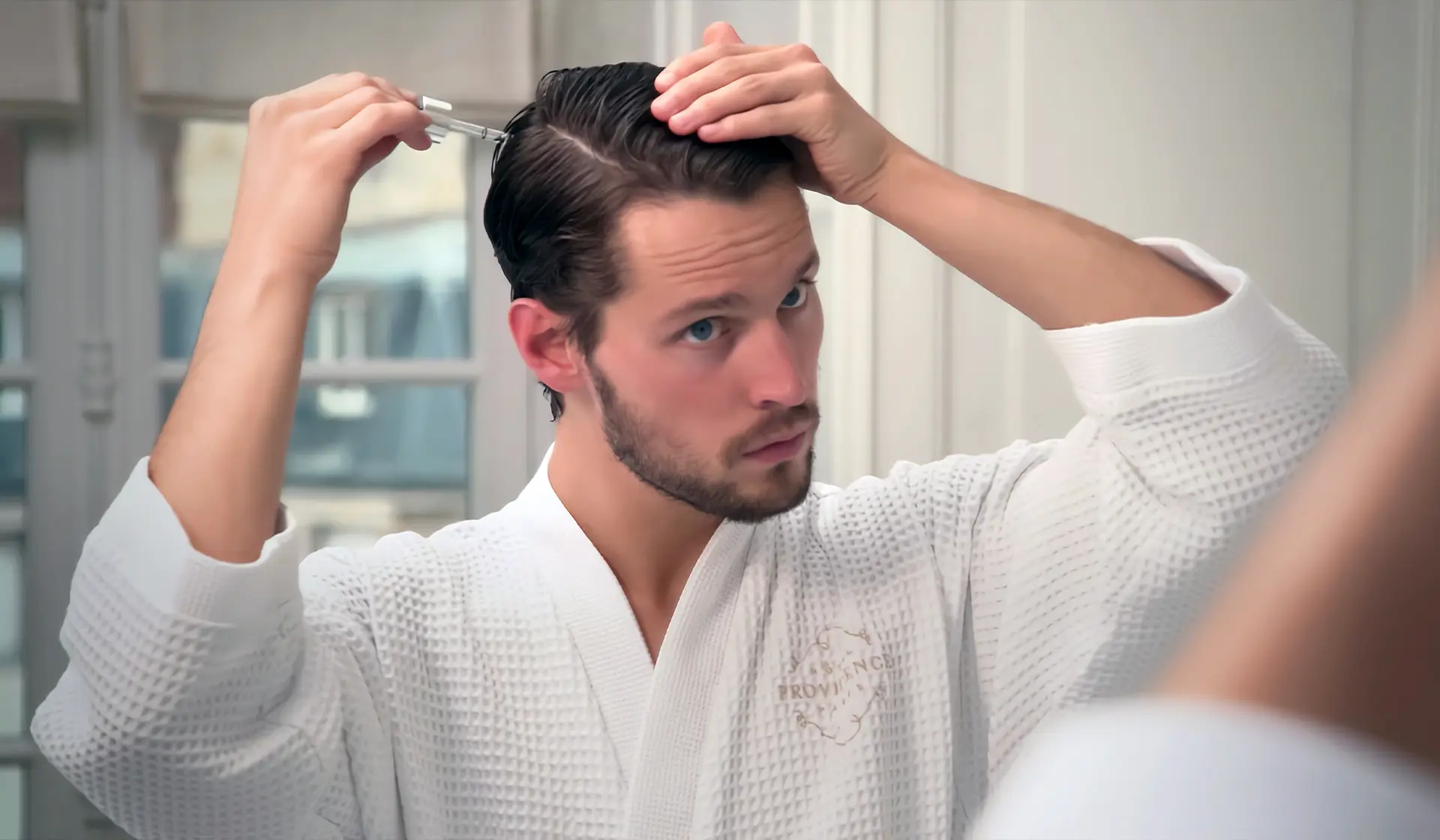
A few years ago, I started noticing my hair wasn’t as full as it used to be. My part line looked wider, and my ponytail felt thinner. I tried every shampoo and conditioner on the market, but nothing seemed to help. Then I stumbled across the concept of scalp microcirculation—the tiny blood vessels that deliver nutrients to your hair follicles—and it was a lightbulb moment. Turns out, the health of those microscopic blood vessels plays a massive role in whether your hair thrives or thins. Through my own journey, research, and a bit of experimentation, I’ve learned how boosting scalp microcirculation can transform hair health. If you’re dealing with hair loss, slow growth, or lackluster strands, let’s dive into why microcirculation matters, how it affects your hair, and practical ways to improve it naturally.
What Is Scalp Microcirculation?
Scalp microcirculation refers to the network of tiny blood vessels—capillaries, arterioles, and venules—that supply blood to your scalp and hair follicles. These vessels deliver oxygen, nutrients, and hormones to the follicles, the living structures where hair growth begins. Think of your scalp as a garden: the follicles are the plants, and microcirculation is the irrigation system keeping them alive. If the blood flow is sluggish, your follicles starve, leading to weak, thin, or shedding hair.
I didn’t realize how critical this was until I learned that poor microcirculation can contribute to hair loss. A 2018 study in Journal of Cosmetic Dermatology showed that reduced scalp blood flow is linked to conditions like androgenetic alopecia (pattern hair loss). When I started focusing on improving my scalp’s blood flow, I saw real changes—less shedding, thicker strands, and a healthier scalp. Let’s explore why microcirculation is so important and how to keep it flowing.
Why Scalp Microcirculation Matters for Hair Health
Your hair follicles are like tiny factories, producing hair during the anagen (growth) phase of the hair cycle. This phase, which can last 2–6 years, relies on a steady supply of:
Oxygen: Fuels follicle cells to produce hair.
Nutrients: Protein, iron, zinc, and vitamins like biotin are building blocks for strong hair.
Hormones: Regulate the hair growth cycle.
Microcirculation delivers these essentials via blood flow. If the flow is compromised—due to stress, poor diet, or scalp issues—follicles can shrink, produce weaker hair, or enter the telogen (resting) phase prematurely, leading to shedding. A 2016 study in Eplasty found that increasing scalp blood flow through massage thickened hair over time, which inspired me to make microcirculation a priority.
Poor microcirculation can also worsen scalp conditions like dandruff or inflammation, creating a cycle of damage. I noticed my scalp was dry and flaky before I started addressing blood flow, and it was affecting my hair’s strength. By improving circulation, you create a healthy environment for follicles to thrive, promoting thicker, longer, and shinier hair.
Signs of Poor Scalp Microcirculation
When I first started losing hair, I didn’t connect it to my scalp’s blood flow. Here are the signs I learned to watch for, which might mean your microcirculation needs a boost:
Excessive Shedding: More hair in your brush or shower drain than usual.
Thinning Hair: A wider part line or less volume, like my thinning ponytail.
Slow Growth: Hair that seems stuck at the same length.
Dry, Flaky Scalp: Poor blood flow can reduce sebum production, causing dryness.
Scalp Sensitivity: Tenderness or tingling, which I felt when tying my hair back.
Dull Hair: Lackluster strands that lack shine due to weak follicles.
If you’re seeing these, don’t panic—there are natural ways to improve microcirculation and revive your hair.
Natural Ways to Boost Scalp Microcirculation
Here are the methods I’ve used to improve my scalp’s blood flow, backed by science and traditional practices. They’re simple, affordable, and effective with consistency.
1. Scalp Massage
Scalp massage is my favorite way to boost microcirculation. It stimulates blood vessels, delivering nutrients to follicles. The Eplasty study (2016) showed that 4-minute daily massages increased hair thickness after 24 weeks. I started doing this while watching TV, and it’s become a relaxing ritual.
How to Do It:
Use your fingertips or a scalp massager.
Massage in circular motions for 5–10 minutes daily, covering the entire scalp.
Add 1–2 tbsp of a nourishing oil (like coconut or rosemary) for extra benefits.
My Experience: After a month, my shedding slowed, and my scalp felt less tight. I saw baby hairs after two months, especially around my hairline.
2. Rosemary Oil Treatment
Rosemary oil is a powerhouse for circulation. Its compounds, like rosmarinic acid, improve blood flow and stimulate follicles. A 2015 study in BioMed Research International found rosemary oil as effective as minoxidil for hair growth. I started using it when my hair felt stagnant, and it made a noticeable difference.
How to Use:
Mix 5 drops rosemary essential oil with 2 tbsp coconut or jojoba oil.
Massage into scalp for 5 minutes, leave for 30 minutes, and shampoo out. Use weekly.
Alternatively, make a rosemary rinse: boil 2 tbsp dried rosemary in 2 cups water, cool, strain, and pour over scalp after shampooing. Rinse after 5 minutes.
My Experience: My scalp felt invigorated, and my hair looked shinier after a few weeks. New growth felt stronger, too.
3. Peppermint Oil Massage
Peppermint oil’s menthol creates a cooling sensation that boosts blood flow and soothes the scalp. A 2014 study in Toxicological Research showed peppermint oil increased follicle depth and hair growth in mice. I love its tingly feel—it wakes up my scalp.
How to Use:
Dilute 3–5 drops peppermint essential oil in 1 tbsp carrier oil (like almond or grapeseed).
Massage into scalp for 5 minutes, leave for 20 Ascendancy
Scalp Exfoliation: Combine a scalp scrub (like sugar and coconut oil) with your massage routine to remove dead skin and improve blood flow. I use a scrub monthly to keep my scalp clear.
My Tip: Don’t skip the shampoo—buildup can clog follicles and reduce circulation.
5. Nutrient-Rich Diet
A diet lacking key nutrients can starve blood vessels and follicles, slowing hair growth. A 2017 study in Skin Appendage Disorders linked deficiencies in iron, zinc, and omega-3s to poor hair health.
What to Eat:
Iron: Spinach, red meat, lentils (pair with vitamin C-rich foods like oranges for absorption).
Zinc: Pumpkin seeds, oysters, chickpeas.
Omega-3s: Salmon, flaxseeds, walnuts.
Protein: Eggs, chicken, beans (hair is mostly keratin).
My Experience: Adding a daily smoothie with spinach, flaxseeds, and berries boosted my hair’s strength and shine within two months. I also drink 8–10 glasses of water daily to support scalp hydration.
6. Exercise and Stress Management
Physical activity improves overall blood flow, including to the scalp. Stress, on the other hand, constricts blood vessels, reducing circulation. A 2018 Journal of Cosmetic Dermatology study noted that stress-related hair loss is linked to poor microcirculation.
How to Do It:
Aim for 30 minutes of moderate exercise (like brisk walking or yoga) 5 times a week. I do morning walks, which energize me and my scalp.
Practice stress-relief techniques like meditation or deep breathing for 10 minutes daily. I use a meditation app to unwind.
My Tip: Even a short walk can make your scalp feel more alive—try it!
7. Apple Cider Vinegar Rinse
ACV balances scalp pH, removes buildup, and improves circulation by unclogging follicles. A 2014 Journal of Cosmetic Science study highlighted ACV’s role in scalp health.
How to Make It:
Mix 1 tbsp ACV with 4 tbsp water.
Pour over scalp after shampooing, massage for 1 minute, and rinse. Use biweekly.
My Experience: My scalp felt cleaner, and my hair was shinier. It’s a quick way to boost circulation.
8. Green Tea Rinse
Green tea’s antioxidants, like EGCG, reduce scalp inflammation and improve blood flow. A 2005 Phytomedicine study suggested green tea inhibits DHT, a hormone linked to hair loss.
How to Make It:
Brew 2 green tea bags in 2 cups hot water, cool, and strain.
Pour over scalp, massage, and rinse after 10 minutes. Use twice a week.
My Experience: This rinse reduced scalp oiliness and made my hair feel livelier after a month.
9. Avoid Tight Hairstyles
Tight ponytails or braids can compress blood vessels, reducing circulation. I switched to loose styles and silk scrunchies to avoid stress on my scalp.
My Tip: If you feel scalp tension after a hairstyle, massage it gently to restore blood flow.
10. Stay Hydrated
Dehydration reduces blood volume, limiting scalp circulation. I aim for 8–10 glasses of water daily, which keeps my scalp hydrated and supports nutrient delivery.
My Experience: Drinking more water reduced my scalp’s dryness, making oils and massages more effective.
Common Mistakes to Avoid
I’ve made my share of errors, so here’s what to watch out for:
Overusing Oils: Too much oil clogged my scalp once, reducing circulation. Use 1–2 tbsp max and shampoo thoroughly.
Harsh Products: My old sulfate shampoo dried my scalp, worsening blood flow. Switch to gentle, sulfate-free formulas.
Skipping Consistency: I didn’t see results until I stuck with massages and diet changes for 6–8 weeks. Be patient.
Ignoring Stress: High stress slowed my progress. I now prioritize relaxation to support circulation.
The Science Behind Microcirculation and Hair Health
Scalp microcirculation is critical because:
Nutrient Delivery: Blood carries oxygen, iron, and vitamins to follicles, supporting the anagen phase (Journal of Cosmetic Dermatology, 2018).
Follicle Health: Poor circulation shrinks follicles, leading to thinner hair (Eplasty, 2016).
Scalp Environment: Good blood flow reduces inflammation and supports a balanced microbiome (International Journal of Trichology, 2018).
Hormone Regulation: Circulation delivers hormones that regulate hair growth cycles.
By boosting microcirculation, you keep follicles active, reduce shedding, and promote thicker, healthier hair.
My Journey with Scalp Microcirculation
When I started this journey, my hair was thinning, and my scalp was dry and tight. I began with daily scalp massages using rosemary oil, added a weekly ACV rinse, and ate more nutrient-rich foods like salmon and spinach. After two months, my shedding decreased, and my scalp felt less flaky. By month three, I saw new growth along my hairline and more shine. It’s not perfect—stress still affects me—but my hair’s thicker, and my scalp feels alive. The routine has become a calming self-care practice I look forward to.
When to Seek Professional Help
If you don’t see improvement after 3–4 months or notice sudden hair loss or scalp pain, consult a dermatologist or trichologist. Conditions like alopecia areata or thyroid issues may need medical treatment. I got blood tests to check iron and vitamin D levels, which revealed deficiencies I corrected with diet and supplements.
Final Thoughts
Scalp microcirculation is the unsung hero of hair health, delivering the nutrients and oxygen your follicles need to thrive. From daily massages to rosemary oil treatments and a nutrient-rich diet, these natural practices can boost blood flow and transform your hair. Start small—try a 5-minute massage with peppermint oil or a green tea rinse—and build from there. Be consistent, and you’ll see stronger, shinier hair over time. My journey from thinning to fuller hair has been empowering, and I’m confident these steps can work for you too. So grab some rosemary oil, massage your scalp, and let your hair flourish!
Post a Comment