
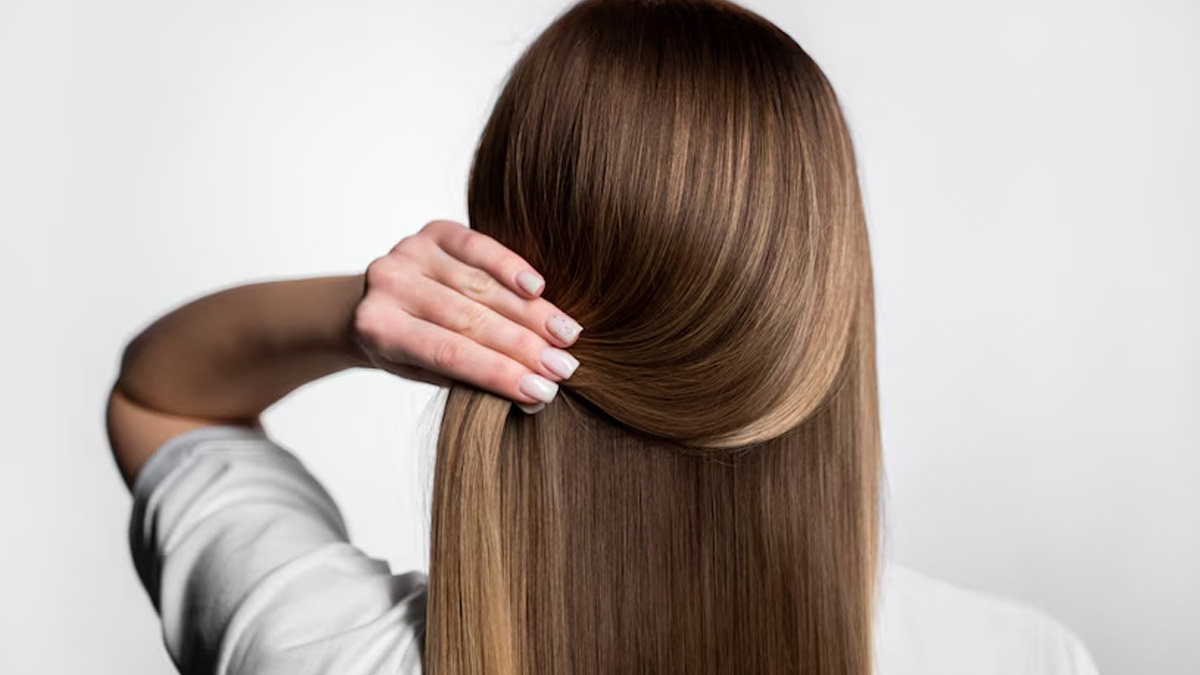
A few years ago, I noticed my hair wasn’t growing as fast as it used to. It felt thinner, looked dull, and no matter how much I babied it, my ponytail stayed stubbornly short. After some digging, I stumbled across the power of fatty acids—natural compounds that can seriously boost hair growth. These nutrients, found in everyday foods and oils, nourish your scalp, strengthen hair follicles, and promote longer, healthier strands. Through my own experiments, research, and a bit of trial and error, I’ve learned how fatty acids can transform your hair game. If you’re looking to kickstart hair growth naturally, let’s explore why fatty acids are a game-changer, which ones work best, and how to incorporate them into your routine.
Why Fatty Acids Matter for Hair Growth
Your hair follicles are like tiny factories, producing hair strands that rely on a steady supply of nutrients. Fatty acids—essential fats your body can’t make on its own—are critical for keeping those factories running smoothly. They nourish the scalp, reduce inflammation, and strengthen the hair shaft, all of which support faster, healthier hair growth. A 2015 study in BioMed Research International highlighted how fatty acids, like omega-3s, improve scalp health and reduce hair loss by supporting follicle function.
When I started noticing my hair issues, I realized my diet was low in healthy fats. I was skimping on foods like salmon and nuts, and my scalp was paying the price with dryness and slow growth. Fatty acids, especially omega-3s, omega-6s, and certain saturated fats, help by:
Moisturizing the Scalp: They keep your scalp hydrated, preventing dryness that can stunt follicles.
Reducing Inflammation: Chronic scalp inflammation can weaken hair roots, but fatty acids calm it down.
Strengthening Hair: They reinforce the hair shaft, reducing breakage and supporting length retention.
Boosting Circulation: Better blood flow delivers nutrients to follicles, promoting growth.
Let’s dive into the best natural fatty acids for hair growth, where to find them, and how to use them—both in your diet and on your scalp.
Top Natural Fatty Acids for Hair Growth
Here are the fatty acids that have made a difference for my hair, backed by science and traditional use. I’ll share how to incorporate them through food and topical remedies for maximum impact.
1. Omega-3 Fatty Acids
Omega-3s are the rockstars of hair health. These polyunsaturated fats reduce scalp inflammation, improve circulation, and nourish follicles. A 2018 study in Journal of Cosmetic Dermatology found that omega-3 supplements increased hair density and reduced hair loss in women. I started eating more omega-3-rich foods when my hair felt brittle, and it was a game-changer.
Where to Find Them:
Foods: Fatty fish (salmon, mackerel, sardines), flaxseeds, chia seeds, walnuts.
Topical Sources: Fish oil or flaxseed oil (used sparingly due to smell).
How to Use:
Diet: Aim for 2–3 servings of fatty fish weekly or 1 tbsp ground flaxseeds daily. I add flaxseeds to my morning smoothie—it’s an easy habit.
Topical: Mix 1 tsp flaxseed oil with 2 tbsp coconut oil for a scalp massage. Apply to your scalp, leave for 30 minutes, and shampoo out. Use weekly to avoid buildup. I tried this and noticed less scalp dryness after a month.
My Tip: If fish isn’t your thing, try a high-quality omega-3 supplement (consult a doctor first). It helped me when I couldn’t eat salmon regularly.
2. Omega-6 Fatty Acids
Omega-6s, like linoleic acid, are essential for scalp health and hair strength. They help regulate oil production and maintain the hair’s protective cuticle. A 2014 study in Experimental Dermatology noted that linoleic acid supports follicle health by reducing oxidative stress. I used to think all fats were bad, but adding omega-6-rich foods balanced my scalp’s oiliness without making it greasy.
Where to Find Them:
Foods: Sunflower seeds, pumpkin seeds, sesame seeds, evening primrose oil, grapeseed oil.
Topical Sources: Evening primrose oil, grapeseed oil.
How to Use:
Diet: Snack on a handful of sunflower seeds daily or use grapeseed oil in cooking. I sprinkle seeds on salads for a nutty crunch.
Topical: Massage 1 tbsp evening primrose oil into your scalp, focusing on thinning areas. Leave for 20 minutes, then rinse. I do this biweekly, and my hair feels smoother.
My Tip: Balance omega-6s with omega-3s (a 4:1 ratio is ideal) to avoid inflammation. Too much omega-6 without omega-3 can backfire.
3. Lauric Acid (Saturated Fatty Acid)
Lauric acid, found in coconut oil, is a saturated fat that penetrates the hair shaft to strengthen it and reduce protein loss. A 2003 study in Journal of Cosmetic Science showed that coconut oil reduces hair damage better than other oils due to its low molecular weight. I started using coconut oil when my ends were splitting like crazy, and it helped my hair hold onto length.
Where to Find It:
Foods: Coconut oil, coconut milk, fresh coconut.
Topical Sources: Virgin coconut oil.
How to Use:
Diet: Add 1 tsp coconut oil to smoothies or coffee. I cook with it for stir-fries—it’s versatile.
Topical: Warm 2 tbsp coconut oil, massage into scalp and hair, and leave for 1 hour or overnight. Shampoo thoroughly. I do this weekly for deep hydration.
My Tip: Use virgin coconut oil for purity. I made the mistake of using refined oil once, and it wasn’t as effective.
4. Oleic Acid (Omega-9 Fatty Acid)
Oleic acid, a monounsaturated fat, hydrates the scalp and strengthens hair by smoothing the cuticle. It’s great for dry, brittle hair. A 2017 study in International Journal of Trichology linked omega-9s to improved hair elasticity. My hair felt less straw-like after I started using olive oil topically.
Where to Find It:
Foods: Olive oil, avocados, almonds.
Topical Sources: Extra virgin olive oil.
How to Use:
Diet: Drizzle olive oil on salads or eat half an avocado daily. I love avocado toast for breakfast—it’s a hair-friendly meal.
Topical: Warm 2 tbsp olive oil, apply to scalp and hair, and leave for 45 minutes. Rinse with a gentle shampoo. I use this monthly for a moisture boost.
My Tip: Choose extra virgin olive oil for maximum nutrients. It’s pricier but worth it for scalp health.
5. Ricinoleic Acid
Ricinoleic acid, found in castor oil, has anti-inflammatory properties that soothe the scalp and stimulate follicles. It’s a staple in traditional hair care, especially in Caribbean and Ayurvedic practices. I was skeptical but tried it for thinning spots, and it worked wonders.
Where to Find It:
Foods: Not typically consumed (castor oil isn’t food-safe in large amounts).
Topical Sources: Cold-pressed castor oil.
How to Use:
Topical: Mix 1 tbsp castor oil with 1 tbsp coconut oil (it’s thick!). Massage into scalp, leave for 1 hour, and shampoo out. Use weekly.
My Experience: My hair felt thicker after six weeks, especially around my crown. Use a clarifying shampoo to avoid residue.
How to Incorporate Fatty Acids into Your Routine
Here’s how I’ve woven fatty acids into my life for better hair growth, with practical tips to make it sustainable.
Dietary Changes for Hair Growth
Your diet is the foundation. I revamped mine to include:
Breakfast: A smoothie with flaxseeds, spinach, and berries for omega-3s and vitamins.
Lunch: A salad with olive oil dressing and sunflower seeds for omega-6s and omega-9s.
Dinner: Grilled salmon or lentils with veggies for omega-3s and protein.
Snacks: Walnuts or almonds for a quick fatty acid boost.
I also drink 8–10 glasses of water daily to keep my scalp hydrated. A 2017 study in Skin Appendage Disorders linked nutrient-rich diets to reduced hair loss, so I make every meal count.
Topical Treatments
Using fatty acid-rich oils on your scalp delivers nutrients directly to follicles. Here’s a routine I follow:
Weekly Deep Treatment: Coconut oil (lauric acid) with a few drops of rosemary essential oil. Massage for 10 minutes, leave for 1 hour, and shampoo.
Biweekly Scalp Soother: Evening primrose oil (omega-6) for thinning areas. Leave for 20 minutes, then rinse.
Monthly Moisture Boost: Olive oil (oleic acid) for hydration. Warm, apply, and leave for 45 minutes before washing.
DIY Scalp Mask:
Mix 1 tbsp coconut oil, 1 tsp castor oil, and 1 tsp olive oil.
Massage into scalp, leave for 30 minutes, and rinse. Use weekly for a fatty acid trifecta.
Scalp Massage for Circulation
Massaging boosts blood flow, helping fatty acids reach follicles. I spend 5 minutes daily massaging my scalp with fingertips or a scalp massager. A 2016 study in Eplasty showed this increases hair thickness over time. I add a few drops of castor or flaxseed oil for extra nourishment.
Gentle Hair Care
Fatty acids work best with a healthy scalp environment. I:
Use a sulfate-free shampoo to avoid stripping natural oils.
Avoid high heat (air-dry when possible) and tight hairstyles.
Use a silk pillowcase to reduce friction and breakage.
Common Mistakes to Avoid
I’ve made plenty of missteps, so here’s what to watch out for:
Overusing Oils: Too much coconut oil left my scalp greasy. Use 1–2 tbsp max for treatments.
Ignoring Diet: Topical oils alone didn’t cut it until I added fatty acid-rich foods.
Harsh Products: My old shampoo dried my scalp, counteracting oils. Switch to gentle formulas.
Impatience: Hair growth takes 2–3 months to show. I almost gave up but stuck with it.
The Science Behind Fatty Acids and Hair Growth
Fatty acids support hair growth by:
Reducing Inflammation: Omega-3s and ricinoleic acid calm scalp irritation, which can push follicles into the resting phase (per a 2018 Journal of Cosmetic Dermatology study).
Strengthening Hair: Lauric and oleic acids bind to hair proteins, reducing breakage (Journal of Cosmetic Science, 2003).
Supporting Follicles: Omega-6s and omega-9s regulate scalp oil and protect the cuticle, per International Journal of Trichology (2017).
Boosting Circulation: Massaging with oils improves blood flow, delivering nutrients to follicles (Eplasty, 2016).
These mechanisms work together to keep follicles in the anagen (growth) phase longer, leading to thicker, longer hair.
Complementary Practices for Best Results
Fatty acids are powerful, but they shine in a holistic routine:
Protein Intake: Hair is mostly keratin, so eat eggs, chicken, or beans. I aim for 50–60g protein daily.
Vitamins and Minerals: Biotin, zinc, and iron support follicles. I snack on pumpkin seeds and take a multivitamin (doctor-approved).
Stress Management: High cortisol slows growth. I do yoga or meditate to keep stress in check.
Regular Trims: Trim split ends every 8–12 weeks to prevent breakage. It helped me retain length.
My Journey with Fatty Acids
When I started this journey, my hair was stuck—slow-growing, brittle, and thin. I began eating more salmon and flaxseeds, using coconut oil weekly, and massaging my scalp daily. After two months, my shedding slowed, and my hair felt stronger. By month three, I saw baby hairs and more shine. It’s not a miracle cure—stress still affects me—but my hair’s longer and fuller now. The ritual of oil massages has become a calming part of my week, and I love knowing I’m nourishing my hair naturally.
When to See a Professional
If you don’t see improvement after 3–4 months or notice sudden hair loss, consult a dermatologist. Conditions like androgenetic alopecia or thyroid issues might need medical attention. I got blood tests to check iron and vitamin D levels, which revealed gaps I addressed with diet and supplements.
Final Thoughts
Natural fatty acids are a powerful, accessible way to boost hair growth. From omega-3s in salmon to lauric acid in coconut oil, these nutrients nourish your scalp, strengthen hair, and wake up sleepy follicles. Start small—add flaxseeds to your meals or try a weekly coconut oil mask—and build from there. Pair with a gentle hair care routine, a balanced diet, and patience, and you’ll see your hair thrive. My hair’s journey from dull to vibrant has been empowering, and I’m confident these fatty acids can work for you too. So grab some olive oil, massage your scalp, and let your hair grow!
Post a Comment