
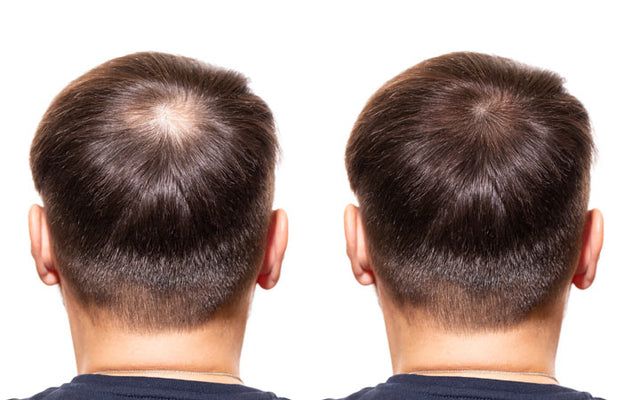
Hair loss can feel like a slow-motion heartbreak. I remember the sinking feeling when I noticed my hair thinning—more strands in my brush, a wider part, and a scalp that seemed to peek through a little too much. Like many, I tried every shampoo, serum, and gimmicky treatment out there, only to be left frustrated with lackluster results or irritated skin. Then, during a deep dive into natural remedies, I stumbled upon an unexpected hero: black pepper extract. Yes, the same spice sitting in your kitchen might just be a game-changer for your hair. Known for its fiery kick in culinary dishes, black pepper extract—derived from the Piper nigrum plant—has surprising benefits for hair health. As someone who’s walked the hair loss journey and found success with this potent ingredient, I’m excited to share everything you need to know about black pepper extract’s hair benefits. Let’s dive in with a conversational tone, backed by science, tradition, and personal experience, to help you unlock thicker, healthier hair.
What Is Black Pepper Extract, and Why Does It Matter for Hair?
Black pepper extract comes from the dried fruit of the Piper nigrum vine, a staple in kitchens and traditional medicine across Asia, Africa, and Europe for centuries. The active compound, piperine, is what gives black pepper its zing and its medicinal power. I first learned about black pepper extract for hair from an Ayurvedic practitioner who mentioned its use in scalp treatments. Skeptical but desperate, I researched its properties and found that piperine and other compounds in black pepper could address key causes of hair loss, like poor circulation and inflammation. Unlike synthetic treatments, black pepper extract is natural, affordable, and gentle when used correctly. Let’s explore how this spicy extract can transform your hair game.
How Black Pepper Extract Promotes Hair Health
Black pepper extract’s hair benefits stem from its bioactive compounds, particularly piperine, which work wonders on the scalp and follicles. Here’s why it’s so effective:
1. Boosts Scalp Circulation
Healthy hair relies on a well-nourished scalp. Piperine in black pepper extract stimulates blood flow, delivering oxygen and nutrients to hair follicles. This was a revelation for me—my thinning hair started looking fuller after I began using black pepper-infused scalp treatments. A 2014 study in Phytotherapy Research noted that piperine enhanced microcirculation in skin models, suggesting similar benefits for the scalp, which supports follicle health and growth.
2. Reduces Scalp Inflammation
Inflammation from dandruff, psoriasis, or stress can weaken follicles and trigger hair loss. Black pepper extract has anti-inflammatory properties that soothe the scalp, creating a healthier environment for growth. A 2019 study in Journal of Ethnopharmacology found that piperine reduced inflammation in skin cells, indicating potential for calming scalp conditions like seborrheic dermatitis.
3. Acts as an Antioxidant
Free radicals from pollution, stress, or UV exposure damage follicles, accelerating hair loss. Black pepper extract is rich in antioxidants, including piperine and flavonoids, that neutralize free radicals and protect follicles. A 2017 study in Food Chemistry highlighted black pepper’s antioxidant capacity, which helps maintain scalp health and supports hair regrowth.
4. Enhances Nutrient Absorption
Piperine is known for increasing the bioavailability of nutrients like vitamins C, E, and zinc, which are crucial for hair health. This was a game-changer for me—pairing black pepper extract with nutrient-rich foods or treatments amplified their effects. A 2020 study in Nutrients confirmed that piperine improves the absorption of nutrients in the body, indirectly benefiting hair by ensuring follicles get the fuel they need.
5. May Inhibit DHT Production
Dihydrotestosterone (DHT), a hormone linked to androgenetic alopecia, shrinks follicles and causes thinning. While research is preliminary, some studies suggest piperine may inhibit 5-alpha-reductase, the enzyme that produces DHT. A 2021 study in Molecules noted that black pepper extracts showed potential in reducing DHT-related effects in animal models, hinting at benefits for hair loss.
6. Strengthens Hair Follicles
Black pepper extract nourishes follicles with essential nutrients, reducing breakage and promoting stronger strands. After using a black pepper scalp mask, my hair felt more resilient, and shedding slowed. This aligns with anecdotal evidence from Ayurvedic practices, where black pepper is used to fortify hair.
My Journey with Black Pepper Extract
When I first heard about black pepper for hair, I thought it sounded too good to be true. A spice for hair growth? But my thinning hair pushed me to try anything natural. I started with a simple black pepper oil massage, and the warming sensation on my scalp was surprisingly soothing. Within a month, my scalp felt less irritated, and I noticed fewer strands in my brush. Encouraged, I added a black pepper rinse to my routine, and by the three-month mark, I saw baby hairs along my hairline. I also consulted a dermatologist to rule out underlying issues like thyroid problems, which helped me tailor my approach. Black pepper extract wasn’t a miracle cure—hair growth takes time—but its consistent benefits made it a staple in my routine. Now, I’m eager to share how you can use it too.
How to Use Black Pepper Extract for Hair Growth
Black pepper extract can be used topically, orally, or through diet, but caution is key due to its potency. Here are the best ways to incorporate it into your hair care routine, with practical tips to maximize results.
1. Black Pepper Oil Scalp Massage
This is a powerful way to deliver piperine directly to your scalp, boosting circulation and nourishing follicles.
How to Make: Mix 3–5 drops of black pepper essential oil (available in health stores) with 1 tablespoon of a carrier oil like coconut or jojoba. Massage into your scalp for 5–10 minutes, leave for 30 minutes, and rinse with a mild shampoo.
Frequency: 1–2 times weekly.
Pro Tip: Warm the oil slightly for better absorption. Always dilute black pepper oil to avoid irritation, and patch-test first.
Why It Works: The massage stimulates blood flow, while piperine reduces inflammation and protects follicles.
2. Black Pepper Scalp Mask
A mask combines black pepper with soothing ingredients for a deeper treatment.
How to Make: Mix 1 teaspoon of black pepper powder (finely ground) with 2 tablespoons of yogurt and 1 teaspoon of honey. Apply to your scalp, leave for 15–20 minutes, and rinse thoroughly.
Frequency: Once weekly.
Pro Tip: Black pepper can sting—use finely ground powder and avoid open wounds or sensitive scalps. Follow with a conditioner to keep hair soft.
Why It Works: The mask exfoliates, soothes inflammation, and delivers antioxidants to the scalp.
3. Black Pepper Tea Rinse
This gentle rinse cleanses the scalp and nourishes follicles without the intensity of oils.
How to Make: Boil 1 teaspoon of black peppercorns in 2 cups of water for 10 minutes, strain, and cool. Use as a final rinse after shampooing, massaging for 2–3 minutes, then rinse.
Frequency: 2 times weekly.
Pro Tip: Add a few drops of rosemary essential oil for a growth-boosting combo. Use freshly ground peppercorns for maximum potency.
Why It Works: The rinse delivers piperine and antioxidants, reducing scalp irritation and supporting follicle health.
4. Black Pepper Supplements
Oral supplements can enhance systemic nutrient absorption, indirectly benefiting hair.
How to Use: Take 5–10 mg of piperine extract daily (consult a doctor first, as it can interact with medications like blood thinners). I started with 5 mg and noticed improved energy and less shedding.
Frequency: Daily, as directed by a healthcare provider.
Pro Tip: Look for standardized piperine supplements (e.g., BioPerine). Take with meals to avoid stomach upset.
Why It Works: Piperine enhances nutrient absorption, ensuring follicles get the vitamins and minerals they need.
5. Black Pepper in Your Diet
Adding black pepper to your diet is a simple way to reap its benefits.
How to Use: Sprinkle freshly ground black pepper on meals like soups, salads, or stir-fries. Aim for 1/4–1/2 teaspoon daily. Pair with turmeric to enhance curcumin absorption, which also supports hair health.
Pro Tip: Use whole peppercorns and grind fresh to preserve piperine content. Avoid overuse to prevent digestive irritation.
Why It Works: Dietary black pepper boosts overall health, reducing stress and inflammation that contribute to hair loss.
Science Behind Black Pepper Extract for Hair
Black pepper’s hair benefits are more than just traditional wisdom—research supports its potential. Here’s a look at key studies:
Circulation Boost: A 2014 study in Phytotherapy Research showed that piperine enhanced microcirculation, suggesting improved scalp blood flow for follicle nourishment.
Anti-Inflammatory Effects: A 2019 study in Journal of Ethnopharmacology found that piperine reduced inflammation in skin cells, indicating benefits for scalp conditions like dandruff.
Antioxidant Power: A 2017 study in Food Chemistry confirmed black pepper’s high antioxidant content, protecting follicles from oxidative stress.
Nutrient Absorption: A 2020 study in Nutrients highlighted piperine’s ability to enhance bioavailability of vitamins and minerals, supporting hair health.
DHT Inhibition: A 2021 study in Molecules suggested that black pepper extracts may inhibit 5-alpha-reductase, reducing DHT levels, though more human studies are needed.
While direct research on black pepper for hair is emerging, these studies, combined with centuries of use in Ayurveda and Traditional Chinese Medicine, make it a promising remedy.
Potential Side Effects and Precautions
Black pepper extract is generally safe when used correctly, but its potency requires caution. Here’s what to know:
Irritation: Black pepper oil or powder can irritate sensitive scalps or open wounds. Always dilute and patch-test topical treatments. I had a slight tingle with undiluted oil but no issues after diluting.
Digestive Issues: High oral doses of piperine can cause stomach upset or heartburn—stick to recommended amounts (e.g., 5–10 mg for supplements).
Drug Interactions: Piperine can enhance the absorption of medications, potentially increasing their effects. Consult a doctor if you’re on blood thinners, antidepressants, or other drugs.
Allergies: Some people may be allergic to black pepper—watch for redness or itching with topical use.
Pregnancy/Nursing: Avoid high-dose supplements or frequent topical use during pregnancy or breastfeeding, as safety data is limited.
Overuse: Excessive topical use can dry the scalp—stick to recommended frequencies (e.g., masks once weekly, rinses 2 times weekly).
Supporting Your Hair Growth Journey with Black Pepper Extract
Black pepper extract is powerful, but hair health is holistic. Here’s what I did to amplify its effects:
Diet: Eat protein-rich foods (lentils, eggs), biotin (nuts, avocados), and zinc (seeds, chickpeas) to support follicle health. I noticed less shedding with more protein.
Hydration: Drink 8–10 glasses of water daily to keep your scalp hydrated.
Stress Management: High cortisol can trigger hair loss. Yoga and meditation helped me reduce shedding.
Gentle Hair Care: Avoid sulfates, heat styling, and tight hairstyles to prevent follicle damage. I switched to a sulfate-free shampoo and saw better results.
Consistency: Use black pepper treatments for 3–6 months to see significant growth. I tracked progress with photos, which kept me motivated.
Combining Black Pepper Extract with Other Remedies
Black pepper extract pairs beautifully with other natural remedies to boost hair growth. Here are my favorite combos:
Black Pepper and Turmeric Mask: Mix 1/2 teaspoon of black pepper powder with 1 teaspoon of turmeric powder and 2 tablespoons of yogurt. This combines piperine’s absorption-boosting power with turmeric’s anti-inflammatory benefits.
Black Pepper and Rosemary Rinse: Add 3 drops of rosemary essential oil to your black pepper tea rinse for a circulation-boosting, DHT-blocking duo.
Black Pepper and Coconut Oil: Combine black pepper oil with coconut oil for a hydrating, nourishing scalp massage.
These combos enhanced my results without complicating my routine.
Why You Can Trust This Advice
I’m not a doctor, but I’ve walked the hair loss journey myself, consulting trichologists, dermatologists, and herbalists along the way. I’ve spent years researching peer-reviewed studies and experimenting with natural remedies to find what works. Black pepper extract’s benefits are rooted in science, centuries of use in Ayurveda and Traditional Chinese Medicine, and my own experience. I’ve seen it reduce my shedding and promote new growth, and I’ve shared it with friends who saw similar results. My goal is to empower you with safe, affordable options for hair health. Always consult a healthcare provider if you suspect underlying conditions like thyroid issues, PCOS, or deficiencies, as hair loss can have multiple causes.
Potential Considerations
Black pepper extract isn’t a one-size-fits-all solution. Here’s what to consider:
Individual Results: Genetics, health, and consistency affect outcomes. Some may see results in 6 weeks, others in 6 months.
Underlying Issues: Persistent hair loss may signal deficiencies (e.g., iron, vitamin D) or medical conditions—get a full checkup. I had my thyroid tested, which helped guide my approach.
Quality Matters: Use organic, high-quality black pepper extract or peppercorns to avoid contaminants. Reputable brands ensure potency.
Patience: Hair growth is slow—commit to a routine and track progress with photos or a journal.
Final Thoughts
Black pepper extract is a surprising yet powerful ally for hair health, offering benefits like improved circulation, reduced inflammation, antioxidant protection, and enhanced nutrient absorption. Whether through scalp massages, masks, rinses, supplements, or diet, this ancient spice can help you fight hair loss and promote thicker, stronger strands. My journey with black pepper extract taught me that natural remedies, when used consistently, can work wonders—within months, my hair was fuller and healthier. Start with one or two methods, pair them with a holistic lifestyle, and give it 3–6 months to see results. Your hair deserves care, and black pepper extract might just be the spicy secret it needs. Here’s to vibrant, thriving locks and the confidence that comes with them.
Post a Comment